
Historic Homes in Massillon & Canton: What Nobody Tells You Before You Start Renovating
There’s a moment every historic homeowner knows.
You’re standing in what’s supposed to be a “simple” bathroom update. The tile is off the wall. And you’re staring at something that wasn’t on any inspection report — layers of materials that tell the story of everyone who lived here before you. Old plaster. Strange framing. A pipe that clearly wasn’t installed by anyone who read a code book.
And you think, “What did I get myself into?”
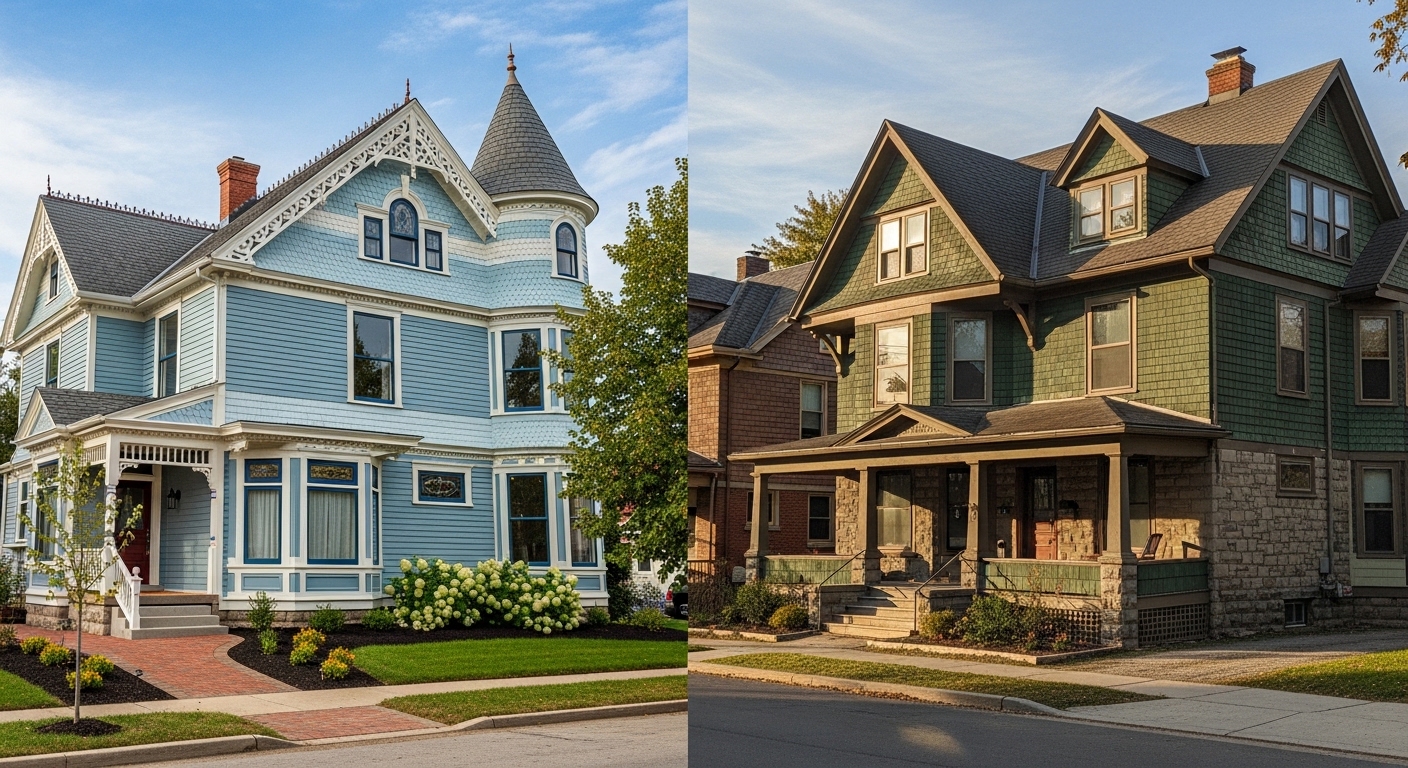
If you own a historic home in Massillon or Canton, you already know this moment. Or you’re about to. These cities have some of the most beautiful older housing stock in northeast Ohio — Craftsman bungalows, Victorian-era two-stories, early 20th-century brick colonials. They have character, history, and bones that modern construction genuinely can’t replicate.
But renovating them? That’s its own kind of adventure.
This isn’t a list of reasons to panic. It’s a real, honest look at what comes up when you work on these homes — so you can plan smarter, budget better, and avoid the surprises that catch people off guard. If you’re working with a contractor in the Stark County area, this kind of heads-up can save you thousands.
Let’s get into it.
1. The Knob-and-Tube Wiring That’s Still Hiding in the Walls
Here’s the thing about electrical systems in homes built before the 1950s: many haven’t been fully updated. They’ve been patched. New outlets here, a panel upgrade there. But deep in the walls? Knob-and-tube wiring, aluminum wiring from the ’60s and ’70s, or circuits that were never designed to handle a modern home’s electrical load.
In Massillon and Canton, where you’ll find entire streets of homes built between 1900 and 1950, this is genuinely common. Not rare. Common.
The problem isn’t just safety — though that matters enormously. It’s that insurance companies often won’t cover homes with unaddressed knob-and-tube wiring. And when you open walls for a kitchen remodel or bathroom renovation, suddenly you’re looking at a much bigger electrical project than you planned.
What to do: Get a full electrical inspection before you commit to a renovation scope. Not the basic walkthrough — a real inspection where someone is looking specifically at what’s behind the walls, not just what’s visible. Know what you’re dealing with upfront so it can be factored into the budget, not discovered mid-project.
2. Lead Paint and Asbestos — Still Very Much a Reality
This one comes up constantly, and it should. Homes built before 1978 have a good chance of containing lead paint. Homes built before the mid-1980s may have asbestos in floor tiles, pipe insulation, ceiling tiles, or joint compound.
In Stark County’s older neighborhoods — and both Massillon and Canton have plenty of them — these aren’t edge cases. They’re expected findings. The issue is when homeowners don’t realize that certain renovation activities (sanding, cutting, demo) can disturb these materials and create health hazards.
This isn’t about scare tactics. It’s just reality. And the fix is straightforward: test before you demo. Many contractors can do this, or you can hire an inspector specifically for hazardous materials testing.
Quick tip: In Ohio, contractors disturbing lead paint on pre-1978 homes are legally required to follow EPA RRP (Renovation, Repair, and Painting) rules. Make sure whoever you hire is certified. Ask directly. Don’t assume.
3. Foundation Issues That Were “Fixed” Decades Ago
Older homes in northeast Ohio have dealt with foundation stress for over a century. Clay-heavy soils, freeze-thaw cycles, aging drainage systems — it all adds up. And here’s what makes it interesting in historic homes: a lot of these issues were addressed at some point. Just not necessarily well.
You might find previous repairs that used methods no longer considered best practice. Or repairs that addressed the symptom but not the underlying cause. Poured concrete over old stone foundations. Waterproofing applied over cracked walls. That kind of thing.
The risk is assuming the foundation is “fine” because something was done to it. A real foundation inspection — not just a visual walkthrough — is worth every penny in a home this age.
Real-world example: A homeowner in Canton’s Nimishillen area bought a beautiful 1920s brick home, got a standard inspection, and started a basement finishing project. The demo revealed previous “waterproofing” that was actually covering active cracks that continued to move. The project scope changed significantly. It happens more than you’d think.
4. Plumbing That’s a Patchwork of Three Different Eras
This is one of my favorite things to explain because it’s so visually telling once you know what to look for. Historic homes in Massillon and Canton often have plumbing that spans multiple decades of updates. Cast iron drain lines from the original build. Galvanized steel from a mid-century update. Copper from the ’70s or ’80s. Maybe some PVC from a more recent repair.
Each material has its own life expectancy. And when you have this kind of patchwork, the weakest link determines when things start failing. Galvanized steel — really common in mid-century updates — corrodes from the inside out. The exterior looks okay. Inside, it’s narrowing to a fraction of its original diameter due to mineral buildup.
Water pressure problems, slow drains, discoloration — these are often the symptoms. The cause is usually old galvanized pipe that’s had a good run but is past its prime.
What to watch for: If a home has galvanized supply lines and you’re planning any renovation, get a plumber’s eyes on the system. It may make sense to repipe while the walls are already open for other work. Much cheaper than doing it as a separate project later.
5. Plaster Walls That Punish Power Tools
If you’ve worked with plaster-and-lath walls, you know. They’re hard. They’re brittle in unexpected places. They don’t play by drywall rules. And they can crack — sometimes dramatically — when you’re doing something as minor as running a wire through an adjacent wall cavity.
In historic Massillon and Canton homes, plaster is often the original finish coat. It’s durable, it sounds different than drywall when you knock on it, and it’s part of what gives these homes their distinctive character. Many preservation-minded homeowners actually want to keep it where possible.
But working around it, or patching it when it cracks, takes skill. Most modern drywall contractors aren’t trained on it. And matching the original plaster texture is genuinely difficult.
Honest take: If preservation matters to you, ask specifically about your contractor’s experience with plaster repair before any work begins. It’s a different skill set. Not every crew has it, and that’s okay — just know what you’re hiring.
6. HVAC Systems Built for a Different World
Forced air heating is relatively modern. Many of these historic homes were originally designed around radiator systems — hot water or steam heat. Some still have them. Others had forced-air retrofitted at some point, often in ways that weren’t ideal because the home’s layout wasn’t designed for ductwork.
What you end up with in a lot of Stark County historic homes is ductwork that runs in strange places, poor distribution in certain rooms, and efficiency that leaves real money on the table. Or you find aging boiler systems that are still functional but approaching the end of life.
Neither is a disaster. But both are worth planning for if you’re doing a significant renovation.
Worth knowing: If a historic home you’re renovating still has a working radiator system, don’t be too quick to gut it. Modern high-efficiency boilers paired with original or updated radiators can actually be a very comfortable, efficient setup. Worth a conversation with a knowledgeable HVAC contractor before you commit to ripping it out.
7. Windows That Are Single-Pane, Drafty, and Historic
Windows are one of the most emotionally charged topics in historic home renovation. Original wood windows — especially double-hung windows from the early 20th century — have genuine value. They were made from old-growth wood that’s actually more durable than most modern window frames. Maintained properly, they can last another century.
But they’re also single-pane. And they leak air. And wholesale replacements change the look of a historic home in ways many people regret.
The good news: you have real options. Historic window restoration (repairing, weatherstripping, and adding interior storm panels) can get you to reasonable energy efficiency while preserving the originals. It’s more work than replacement, but the results are often better than expected.
For the energy-conscious homeowner: Before replacing original windows, get an energy audit. You may find the windows aren’t your biggest heat-loss culprit — attic insulation and air sealing often matter more. Solve the right problem first.
8. Permits, Historic Districts, and What You Can Actually Change
Some neighborhoods in Canton and Massillon are subject to historic district guidelines. If your home is in one of these areas — or if you’re applying for historic tax credits — there are real rules about what exterior changes you can make. Window replacements, siding choices, additions, and even paint colors in some cases.
This isn’t always a barrier. But it can complicate project planning if you don’t factor it in upfront. The time to find out you’re in a historic district is before you order materials, not after.
Simple action step: Check with the city’s planning or zoning office early in your project. It’s a quick call or email that can prevent expensive change orders down the road. If you’re working with a contractor familiar with Stark County, they can often help you navigate this.
Summary: What to Keep in Mind
| Challenge | How Common | Key Action |
|---|---|---|
| Knob-and-tube or outdated wiring | Very common pre-1950s | Full electrical inspection before scoping |
| Lead paint/asbestos | Expected pre-1978 | Test before demo; use certified contractors |
| Foundation repairs over old issues | Moderate | Structural inspection, not just visual |
| Multi-era plumbing patchwork | Very common | Plumber assessment; repipe when walls are open |
| Plaster wall complications | Common | Find contractors with plaster experience |
| HVAC mismatch or aging systems | Common | Evaluate the existing system before replacing |
| Original window dilemmas | Very common | Energy audit first, then decide |
| Historic district regulations | Varies by location | Check with city planning early |
Key Takeaways
- Historic homes in Massillon and Canton have layers — literally and figuratively. Budget for discovery.
- The biggest renovation mistakes come from scoping projects without knowing what’s inside the walls. Inspect first.
- Knob-and-tube wiring, lead paint, and galvanized plumbing are normal findings in homes this age — not dealbreakers, just things to plan for.
- Preserving original features (plaster, windows, radiators) is often more cost-effective than people expect when done thoughtfully.
- Working with contractors who know the local housing stock — who’ve worked in homes like yours before — makes a real difference.
One Last Thing
Renovating a historic home in Massillon or Canton is not a simple project. But it’s also not impossible to do well. The homeowners who come out the other side with beautiful results and manageable budgets are the ones who went in with realistic expectations — who knew the surprises were coming and planned accordingly.
If you’re in the early stages of planning a renovation on an older home in Stark County, the K&K Construction team has worked on homes like yours. They can help you scope a project that accounts for what these homes actually need — not just what’s visible on the surface.
Because the surface of a historic home is rarely the whole story.
Have questions about renovating an older home in Massillon, Canton, or anywhere in Stark County? Reach out — we’re happy to talk through what you’re working with.