
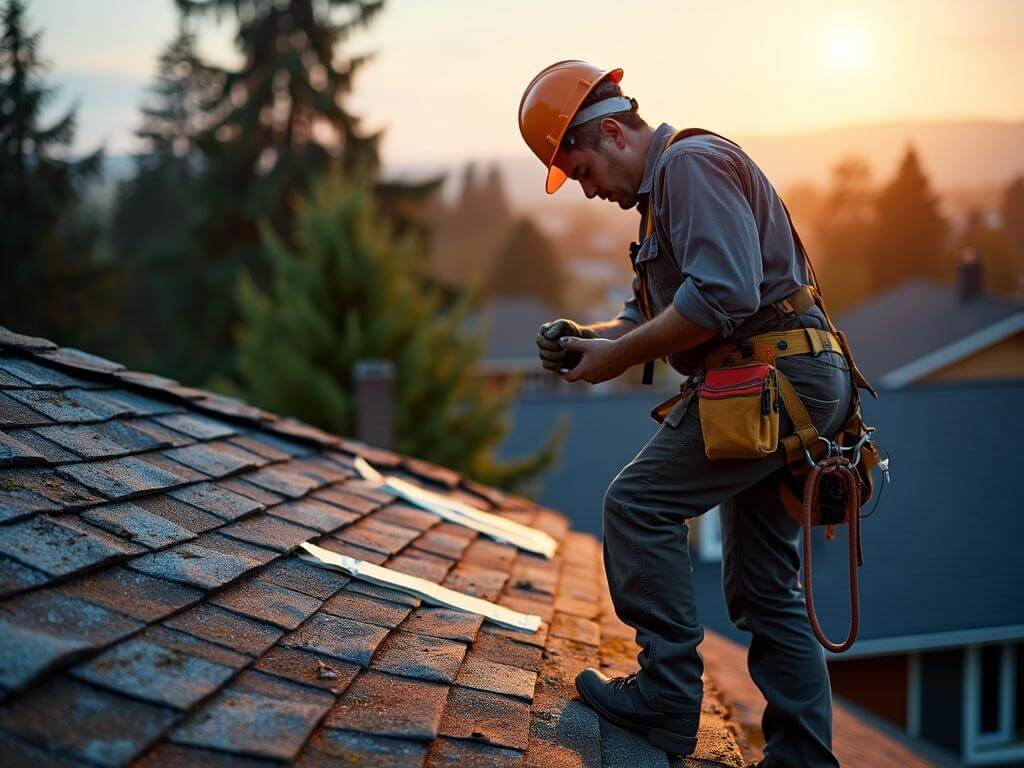
If you own a home in Ohio, your roof works harder than almost anywhere else in the country. From brutal winters and ice storms to summer thunderstorms and hail, Ohio’s climate puts constant pressure on your roofing system. Knowing how long your roof should last — and recognizing the warning signs that it’s failing — can save you thousands of dollars and protect your home from serious damage.
Understanding Ohio’s Climate and Its Effect on Roofs
Ohio experiences all four seasons in full force. Winters bring freezing temperatures, heavy snow, ice dams, and freeze-thaw cycles that crack and weaken roofing materials. Spring and summer deliver intense thunderstorms, damaging hail, and high winds. Fall adds moisture, falling leaves that clog gutters, and the beginning of another freeze cycle.
This relentless weather pattern means Ohio roofs age faster than those in mild climates like the Southeast or Southwest. A roof that might last 30 years in Arizona could realistically last only 20–25 years in Columbus, Cleveland, or Cincinnati without proper maintenance.
How Long Does a Roof Last in Ohio? (By Material)
The single biggest factor in roof lifespan is the material used. Here’s what Ohio homeowners can realistically expect:
Asphalt Shingles (3-Tab) — 15 to 20 years The most basic and affordable option. These thin, single-layer shingles are still found on millions of older Ohio homes, but they struggle with the state’s temperature swings and are increasingly being replaced by architectural shingles.
Architectural (Dimensional) Shingles — 25 to 40 years The most popular choice for Ohio homes today. These thicker, multi-layer shingles offer better wind and impact resistance and are far more durable than 3-tab versions. With proper installation and maintenance, a quality architectural shingle roof can last 30–35 years in Ohio conditions.
Metal Roofing — 40 to 70 years Metal roofs have surged in popularity across Ohio for good reason. They handle snow loads and ice better than any shingle product, resist wind damage, and rarely need repairs. The higher upfront cost is typically offset by longevity and lower maintenance.
Wood Shake Shingles — 20 to 30 years Cedar shakes look beautiful but require significant maintenance in Ohio’s wet climate. Without regular treatment, moss, rot, and moisture damage can shorten their lifespan dramatically.
Slate Roofing — 75 to 150 years Natural slate is the gold standard for longevity. Many Victorian-era Ohio homes still have original slate roofs. The trade-off is significant weight (requiring reinforced structure), high cost, and the need for specialized contractors.
Flat / TPO / EPDM Roofing — 15 to 25 years Common on low-slope roofs, garages, and commercial buildings. Ohio’s ponding water and freeze-thaw cycles are particularly hard on flat roofing membranes, making regular inspection critical.
The #1 Ohio Roof Killer: Ice Dams
Before we get to warning signs, it’s worth calling out Ohio’s most destructive and often-overlooked roofing problem: ice dams.
Ice dams form when heat escapes from your living space into the attic, warms the roof deck, and melts snow. That snowmelt runs down to the cold eave overhang where it refreezes, forming a dam. Water then backs up under your shingles — where it doesn’t freeze — and seeps into your home.
Ice dams cause ceiling stains, rotted decking, damaged insulation, and mold. They can take years off a roof’s life and are almost entirely preventable with proper attic insulation and ventilation. If you’ve had ice dams, get your attic evaluated before your next roof replacement or you’ll repeat the same problem.
9 Signs It’s Time to Replace Your Ohio Roof
Your roof rarely fails all at once. It gives you warning signs first. Here’s what to watch for:
1. Your Roof Is Over 20 Years Old Age is the single most reliable indicator. If your asphalt shingle roof is approaching or past 20 years, schedule a professional inspection even if it looks fine from the ground. Deterioration often starts underneath long before it’s visible from street level.
2. Curling or Buckling Shingles Shingles that curl upward at the edges (cupping) or buckle in the middle are losing their structural integrity. This is a direct result of Ohio’s repeated heating and cooling cycles breaking down the asphalt and adhesive strips.
3. Missing Shingles or Excessive Granule Loss After any major storm, walk your property and check your gutters and downspout outlets. If you see a significant buildup of dark, sand-like granules, your shingles are shedding their protective coating — a clear sign of advanced age. Missing shingles leave the underlayment directly exposed to Ohio rain and snow.
4. Daylight Visible in the Attic On a bright day, turn off all attic lights and look up toward the roofline. Any pinpoints or shafts of daylight mean there are gaps in your roof deck. If light gets through, so does water, cold air, and pests.
5. Water Stains on Ceilings or Interior Walls Brown, yellow, or rust-colored staining on your ceilings or along wall joints is evidence of active or past leaks. In Ohio, what begins as a small ice dam drip in January can become a significant structural problem by March if left untreated.
6. Moss, Algae, or Dark Streaking Ohio’s humidity makes biological growth on roofs common — particularly on north-facing slopes or areas shaded by trees. Black streaks are typically algae (Gloeocapsa magma). Green or fuzzy growth is moss. While surface treatments can temporarily clean these, extensive growth often signals trapped moisture and compromised shingles beneath.
7. Sagging Roof Deck Any visible sag, dip, or wave in your roofline is a structural red flag that demands immediate professional attention. This typically indicates long-term water damage to the roof decking or rafters — not something that can be patched.
8. Cracked or Missing Flashing Flashing is the metal material that seals joints around chimneys, skylights, vents, and where roof planes meet. Cracked, rusted, lifted, or missing flashing is one of the most common leak sources in Ohio homes, especially after winters where freeze-thaw cycles repeatedly expand and contract the metal.
9. Mounting Repair Bills If you’re calling a roofer every year for patches, repairs, or emergency fixes, the cumulative cost may already exceed what a full replacement would have cost. Ongoing repairs on an aging roof are often false economy — you’re extending a failing system rather than solving the problem.
Repair vs. Replace: How to Make the Decision
Not every roofing problem requires a full replacement. Here’s a simple framework to help you decide:
Lean toward repair if:
- Your roof is less than 15 years old
- Damage is isolated to one small area
- The repair cost is less than 25–30% of full replacement cost
- The underlying decking and structure are sound
Lean toward replacement if:
- Your roof is 20+ years old and showing multiple warning signs
- You’ve had multiple repairs in the past few years
- Damage is widespread across multiple roof sections
- Your insurance company is flagging the roof’s age at renewal
- You’re planning to sell your home within 2–3 years
A trusted local roofing contractor can give you an honest assessment. Get at least three quotes, ask for written inspection reports, and don’t make decisions based solely on door-to-door sales pitches that often follow Ohio hailstorms.
What Does a Roof Replacement Cost in Ohio?
Roof replacement costs vary based on home size, roof complexity, material choice, and contractor. For an average Ohio home (1,500–2,500 sq ft), here’s a rough range in 2025:
- Architectural asphalt shingles: $8,000 – $16,000
- Premium / impact-resistant shingles: $12,000 – $22,000
- Metal roofing (standing seam): $18,000 – $40,000
- Slate: $30,000 – $75,000+
Most standard asphalt shingle replacements can be completed in one to two days. Always verify that your contractor carries both general liability insurance and workers’ compensation — and that they are licensed in Ohio.
Look for contractors certified through programs like GAF Master Elite or CertainTeed Select ShingleMaster. These certifications allow contractors to offer enhanced manufacturer warranties that go well beyond standard coverage.
Maintenance Tips to Maximize Your Ohio Roof’s Lifespan
You can add years to your roof’s life with basic maintenance habits:
- Clean gutters twice a year — spring and fall — to prevent water backup and ice dam conditions
- Trim overhanging branches to reduce debris buildup, moss growth, and the risk of storm damage
- Inspect after every major storm — especially those with hail larger than a quarter or winds over 60 mph
- Check attic ventilation annually — proper airflow is critical to preventing ice dams and extending shingle life
- Address small repairs immediately — a $300 flashing repair today can prevent a $10,000 water damage claim next year
- Schedule a professional inspection every 3–5 years, even if nothing looks wrong
Final Thoughts
Your roof is one of the most important — and expensive — systems in your home. In Ohio’s demanding climate, understanding its expected lifespan and knowing the warning signs of failure isn’t optional for smart homeowners. Whether you’re in Toledo, Dayton, Akron, or anywhere in between, staying proactive about roof health means protecting your home, your family, and your investment for decades to come.
When in doubt, get a professional inspection. Most reputable Ohio roofing contractors offer free or low-cost inspections. A few hours of due diligence now can save you from a very costly surprise later.