
Why We Need to Talk About Your Basement
Look, I get it. Nobody wakes up on a Saturday morning excited to think about their foundation. It is usually one of those out of sight out of mind situations until you head downstairs to grab the Christmas decorations and realize your socks are soaking wet.
In Canton, we deal with some pretty aggressive weather. Between the heavy spring rains and the winter slush that sits against your house, our soil takes a beating. If you have noticed a funky smell or some white powdery stuff on the walls, you are not alone. It is just the reality of living in Ohio. But ignoring it is like ignoring a check engine light. Eventually, the bill gets a lot bigger.
Let’s walk through the most effective ways to handle basement waterproofing so you can actually use your lower level without worrying about the next big storm.
1. Fix the Grading Outside First
I always tell people to start here because it is often the cheapest fix. If the ground around your house slopes toward the foundation, you are basically hand-delivering water to your basement. You want the dirt to fall away from the house at a steady clip.
But here is the thing. Soil settles over time. That flower bed you planted five years ago might now be a bowl that collects rain. I once saw a neighbor spend thousands on interior drains when all he really needed was ten bags of dirt and a rake to redirect the runoff.
Pro Tip: Next time it pours, put on a raincoat and walk around your house. If you see puddles hugging the siding, you have a grading problem.
2. The Power of Interior Drainage Systems
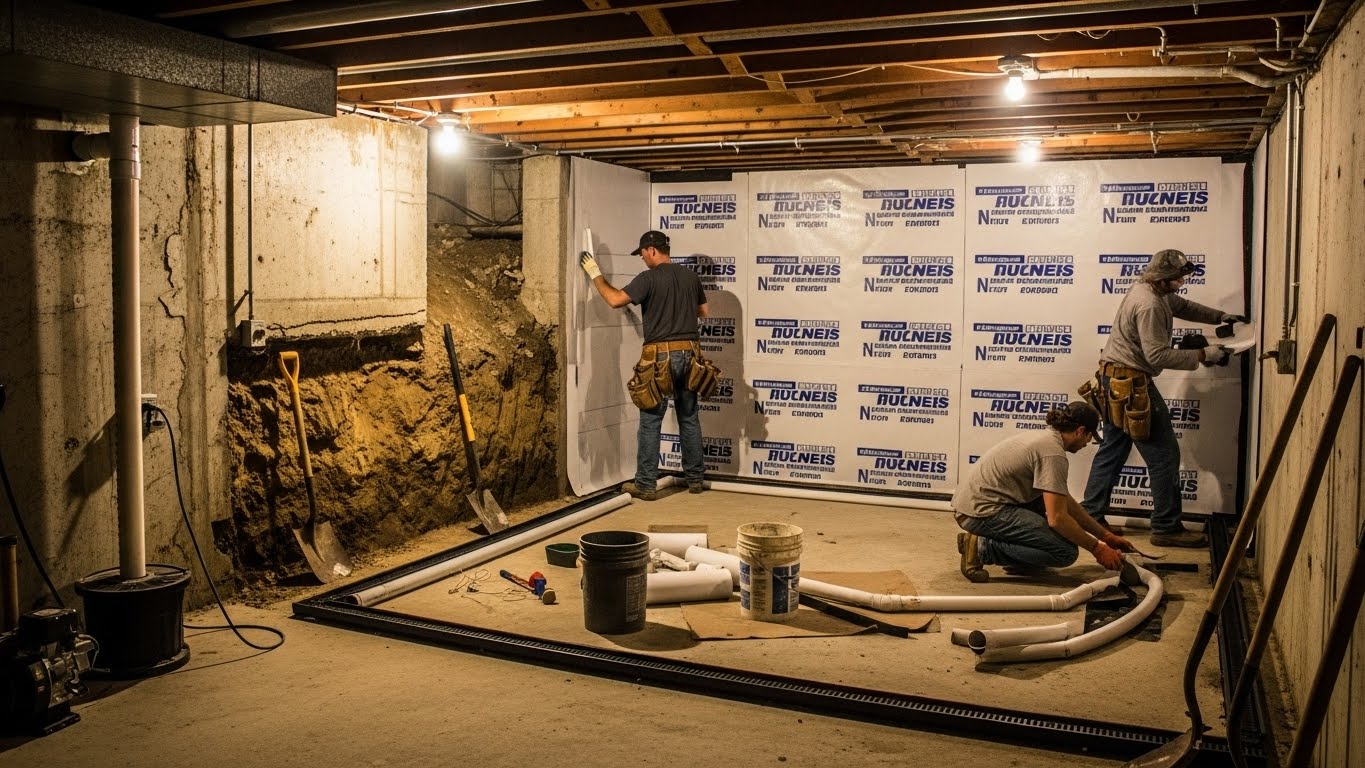
Sometimes the water is coming from underneath. Hydrostatic pressure is a fancy way of saying the water in the ground is pushing against your floor like a weight. An interior drainage system involves cutting a small trench around the perimeter of your floor to catch that water before it hits your carpet.
And honestly, this is the gold standard for most older Canton homes. It directs the water to a sump pump so it can be tossed outside where it belongs. It is a bit of a messy job during the install, but the peace of mind is worth the dust.
Real-World Scenario: Imagine your basement is a boat with a tiny leak. Instead of trying to patch the leak while you are in the middle of the ocean, you just install a really good pump to keep the boat dry.
Once your basement has been waterproofed, maintaining that protection is just as important as the initial work. Learn the steps homeowners in Ohio can take to prevent basement flooding before it becomes a costly problem.
3. Sump Pump Upgrades and Backups
If you have a basement in Ohio, you probably have a sump pump. But when was the last time you actually checked it? These things are the unsung heroes of homeownership, but they do have a lifespan.
But here is the kicker. Most sump pumps run on electricity. What happens during a massive Canton thunderstorm? The power goes out. If your pump stops during a deluge, you are in trouble. Investing in a battery backup or a water-powered backup is the only way I can sleep soundly when the wind starts howling.
Quick Insight: Test your pump twice a year by pouring a 5-gallon bucket of water into the pit to make each move as it should.
4. Exterior Waterproofing Membranes
This is the big guns. It involves digging up the dirt outside your house all the way down to the footer and wrapping the walls in a waterproof “blanket” or coating. It is labor-intensive and definitely costs more than an interior fix.
But if you are planning on finishing your basement with high-end materials, this is the move. It stops the water from ever touching your concrete blocks in the first place. It keeps the structure dry rather than just managing the water once it gets inside.
5. Managing Your Gutters and Downspouts
It sounds too simple to be true, but clogged gutters are the leading cause of wet basements. If your gutters are full of maple seeds and oak leaves, the water just overflows and drops straight down next to your foundation.
And check your downspout extensions. If they are dumping water right at the base of the wall, you are just recycling the same puddle into your basement. You want that water at least six to ten feet away from the house.
The Lesson: A twenty-dollar plastic extension from the hardware store can save you a five-thousand-dollar repair bill.
Which Solution Fits Your Home?
| Method | Best For | Effort Level |
| Grading | Minor dampness | Low / DIY |
| Interior Drainage | Consistent seepage | High / Professional |
| Sump Pump | Managing ground water | Medium |
| Exterior Membrane | Total protection | Very High |
| Gutter Care | Preventing runoff issues | Low / DIY |
Key Takeaways for Canton Homeowners
- Start with the easy stuff like gutters and dirt grading before panicking.
- If you see cracks or “efflorescence” (that white salt), the water is already moving through your walls.
- Always have a backup for your sump pump because Ohio weather is unpredictable.
- Professional basement waterproofing is an investment that usually pays for itself in home value.
Ready to Dry Out for Good?
Look, dealing with water is stressful. It feels like a battle against nature that you are destined to lose. But it doesn’t have to be that way. Whether you just need some advice on your gutters or you are ready to talk about a full drainage system, taking that first step is the hardest part.
If you are tired of that musty smell and want to finally reclaim your basement, we should chat. We know the soil and the struggles of living in Canton better than anyone. Why not reach out for a quick inspection so we can figure out exactly where that water is sneaking in? Let’s get your home back on solid, dry ground.