



When it comes to improving a commercial property, two terms you’ll often hear are renovation and restoration. While they may seem similar, they represent distinct approaches to improving or updating a building. Whether you’re looking to revamp an old office, retail space, or industrial building in Ohio, understanding the differences between renovation and restoration is key to making the best decision for your business and property.
At K and K Construction, we specialize in both commercial building renovations and restorations, helping property owners make informed choices that suit their goals, budget, and vision. In this blog, we’ll break down the differences between renovation and restoration, explore when each is appropriate, and discuss the benefits of both.
What is Commercial Building Renovation?
A renovation is the process of making changes to a building to improve its functionality, aesthetics, or value. Renovations often involve altering or modernizing existing structures, and they can range from simple cosmetic updates to more extensive modifications. In the context of commercial buildings, renovations typically focus on improving the usability and efficiency of the space, updating outdated features, and ensuring that the building meets modern standards.
Common Commercial Building Renovation Projects
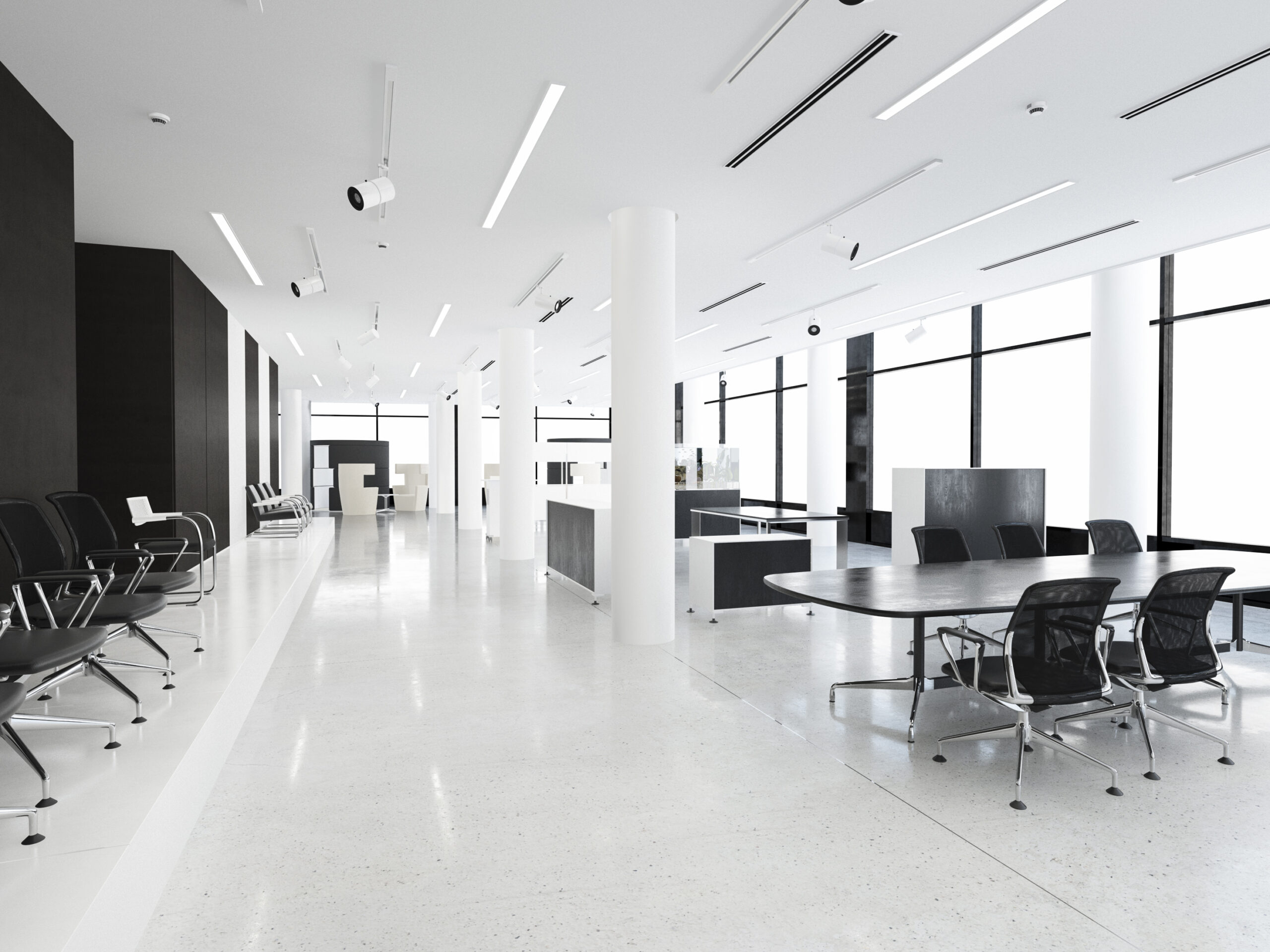
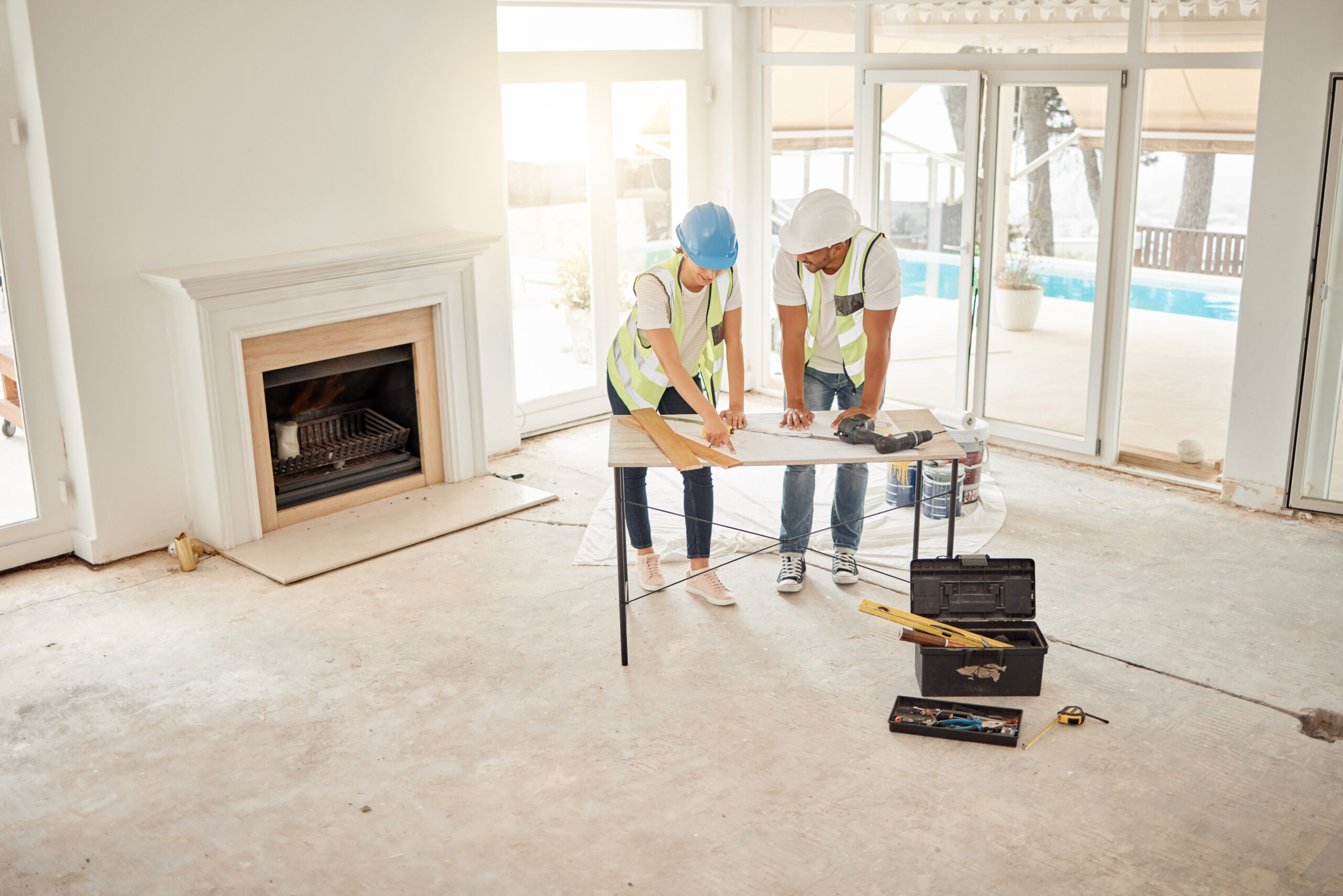
- Interior Redesign: Changing the layout or design of office spaces, lobbies, bathrooms, or conference rooms to improve flow, efficiency, and appearance.
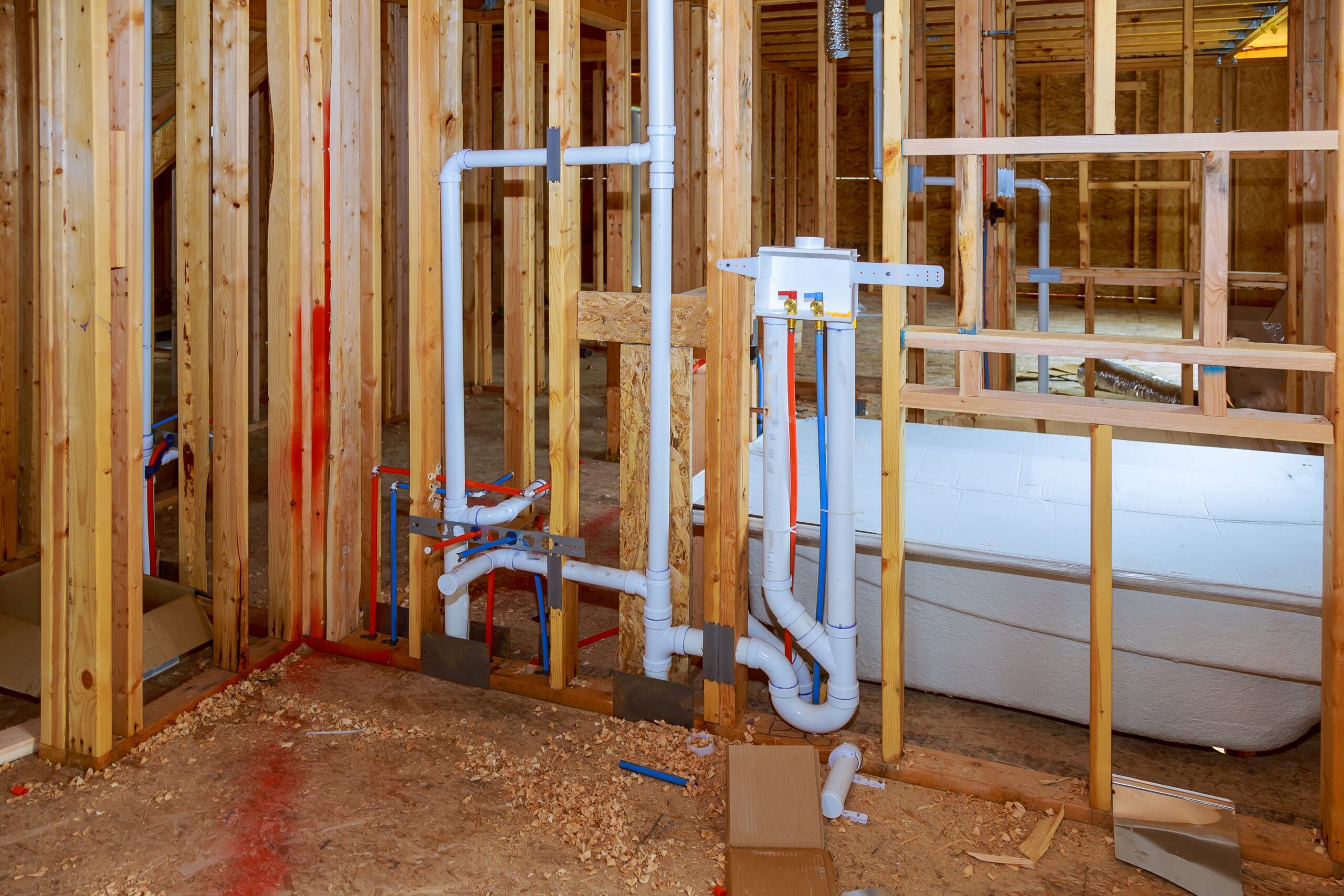
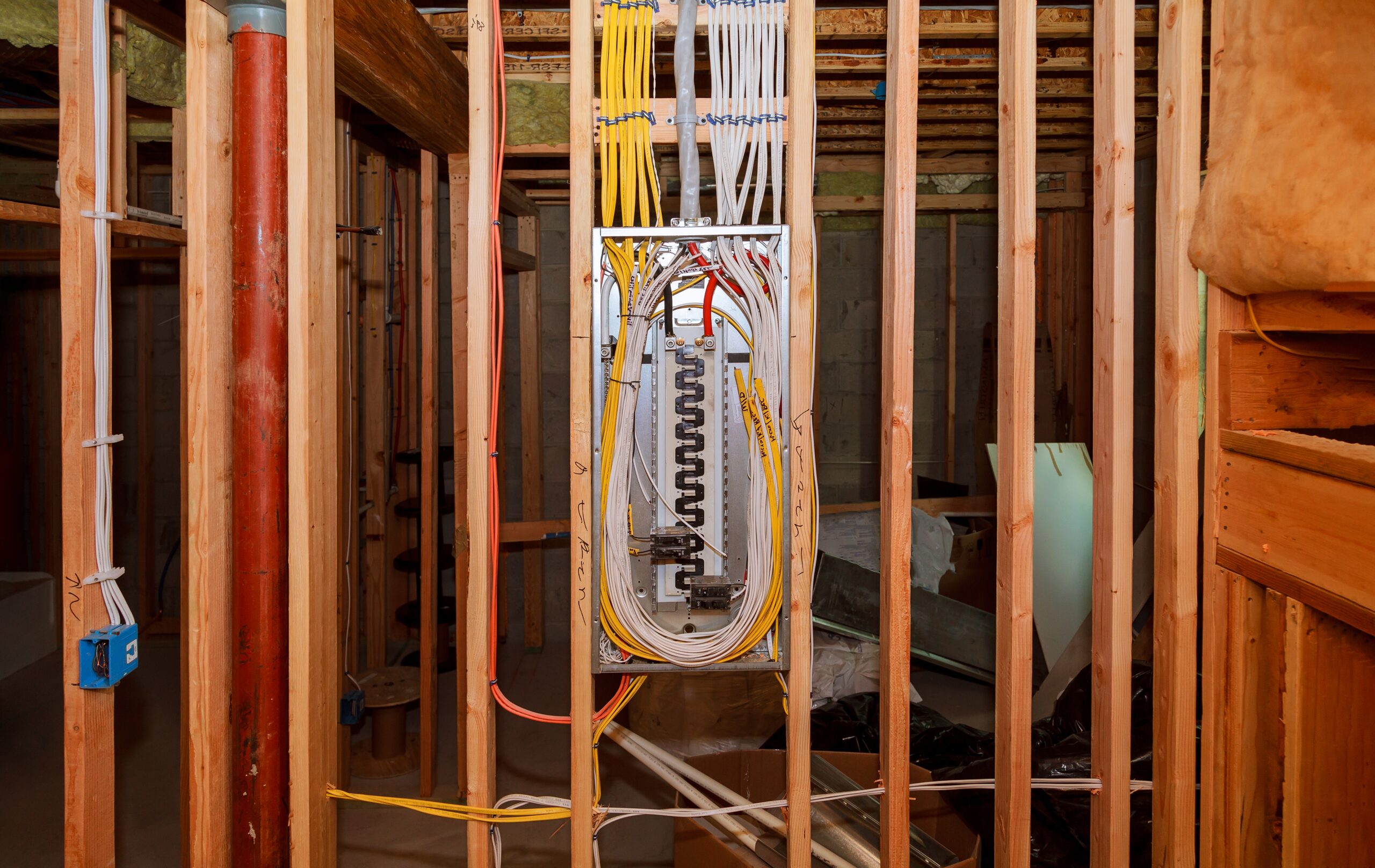
- Upgrading Systems: Updating electrical, plumbing, and HVAC systems to meet current codes and improve energy efficiency.
- Adding or Removing Walls: Open-concept designs have become popular, especially in offices and retail spaces, which may require the removal or reconfiguration of walls.
- Exterior Facelifts: Improving curb appeal by updating the facade, painting the building, or installing new windows and doors.
- Modernizing Amenities: Adding or updating elevators, restrooms, or kitchens to meet the needs of tenants or customers.
Renovations are often undertaken when the building is still in relatively good condition but needs an update to keep up with market trends or improve functionality. It’s a great way to give an older building a new life without completely rebuilding from the ground up.
What is Commercial Building Restoration?
Restoration, on the other hand, refers to the process of returning a building to its original condition, or as close as possible, using historical records, photographs, and other documentation. Restoration is typically reserved for buildings with historical significance, or those that have lost their original character due to wear and tear or previous renovations. The goal of a restoration project is to preserve the building’s historical and architectural integrity while updating necessary systems to comply with current building codes and safety regulations.
Common Commercial Building Restoration Projects
- Recreating Original Architectural Features: Restoring decorative elements, such as moldings, trim work, and windows, to match the building’s original design.
- Preserving Historical Materials: Using the same materials that were originally used in construction, such as brick, wood, or stone, to maintain the building’s historical authenticity.
- Reconstructing Facades: If the exterior has been altered, a restoration might involve reconstructing the facade to look like it did when the building was first built.
- Repairing Historical Plumbing and Electrical: Often, plumbing and electrical systems in historic buildings need to be updated to meet modern safety codes while maintaining the building’s original design.
- Stabilizing Structural Elements: Older buildings may require structural repairs to ensure safety, such as reinforcing foundations, fixing roof damage, or repairing load-bearing walls.
Restoration is typically a more delicate process than renovation because it aims to preserve the building’s historical value. It’s an ideal choice for commercial properties that have cultural, architectural, or historical significance and want to maintain their original charm.
Key Differences Between Commercial Building Renovation and Restoration
Now that we’ve explored the basic definitions of renovation and restoration, let’s dive into the key differences that will help you determine which option is best for your commercial property:
1. Objective
- Renovation: The main goal is to modernize or reconfigure the building to meet current needs, improve aesthetics, and increase functionality. Renovations are about creating a more efficient, appealing space.
- Restoration: The goal is to preserve the original look and feel of the building while ensuring it is up-to-date with current building codes. Restoration is about maintaining or recapturing the historical value of the structure.
2. Scope of Work
- Renovation: Renovations can range from minor updates (like painting and flooring changes) to extensive redesigns (such as adding new rooms or expanding the building). The work often involves structural changes and modern updates.
- Restoration: Restoration focuses primarily on preserving original features. The scope of work is typically more limited to specific areas that need repair or rebuilding to restore the building to its original form.
3. Cost
- Renovation: Depending on the extent of the changes, renovations can be more affordable than restoration projects. Renovations focus on upgrades that add value, and costs can vary depending on materials and design choices.
- Restoration: Restoration tends to be more expensive because it often requires special materials, skilled craftsmanship, and a longer time frame. The goal of maintaining the building’s original look requires attention to detail and potentially sourcing rare materials.
4. Time Frame
- Renovation: Renovation projects are generally faster since they focus on making updates rather than meticulous preservation. Depending on the scope, renovations can take a few weeks to a few months.
- Restoration: Restoration projects are often longer because they involve careful research, sourcing authentic materials, and restoring delicate details. A historical restoration can take several months or even years.
5. Building Use
- Renovation: Renovations are typically for buildings that are still in active use or have commercial potential but need modernization. For example, updating office spaces, retail locations, or restaurants.
- Restoration: Restoration is often reserved for historic landmarks or buildings with cultural or architectural significance that need to be preserved for future generations.
Benefits of Commercial Building Renovation
While restoration can be ideal for historical buildings, renovations are often the best option for commercial property owners looking to improve their space while staying within a budget. Here are some benefits of commercial building renovation:
1. Increased Property Value
Renovating your commercial property can significantly increase its value, making it more attractive to potential tenants, buyers, or investors. Modernized spaces with updated facilities are in high demand, especially in competitive commercial markets like Stark County.
2. Improved Functionality
Renovations can improve the layout and flow of your building, creating more efficient spaces for employees, customers, or clients. Whether you’re expanding your office space or adding new amenities, renovation helps your building serve its purpose better.
3. Cost-Effective
Compared to restoration, renovations are often more cost-effective because you’re not required to use expensive, historically accurate materials. Renovations can help you achieve your desired look and functionality within a reasonable budget.
Benefits of Commercial Building Restoration
Restoration, though typically more costly, offers distinct advantages, especially for historic properties. Here are some benefits of commercial building restoration:
1. Preserving History and Culture
Restoring a historic building allows you to preserve its architectural and cultural significance for future generations. This is particularly important for buildings with historical or sentimental value in the community.
2. Boosting Curb Appeal
A beautifully restored building can attract attention and enhance the aesthetic of the surrounding area, often leading to increased property values and interest from tenants or clients.
3. Eligibility for Tax Incentives
In some cases, historic building restorations may make you eligible for tax credits or financial incentives from local or national governments. These programs are designed to encourage the preservation of historic properties.
Choosing Between Renovation and Restoration for Your Commercial Building
When deciding whether to renovate or restore your commercial building, consider the following factors:
- The Age and Significance of the Building: If your building is historic and holds cultural or architectural significance, restoration may be the right choice. For newer buildings, renovation can modernize and improve functionality.
- Budget and Timeline: Renovations tend to be more budget-friendly and faster, while restorations are often more costly and time-consuming. Weigh the costs against the potential return on investment.
- Long-Term Goals: If you’re looking to maintain the building’s historical integrity and its long-term cultural value, restoration is essential. For improved functionality and updated aesthetics, renovation is the better option.
Conclusion: K and K Construction – Your Trusted Partner in Building Renovations and Restorations
At K and K Construction, we offer both commercial building renovations and restorations to help you achieve your vision. Whether you’re looking to modernize your space with a renovation or preserve the historic value of your property through restoration, our experienced team will guide you every step of the way.
Contact us today to discuss your project, and let’s work together to make your commercial building a place that is both functional and inspiring.
For more information or to get a free estimate, visit our website at K and K Construction or call us at (281)-601-5849..