
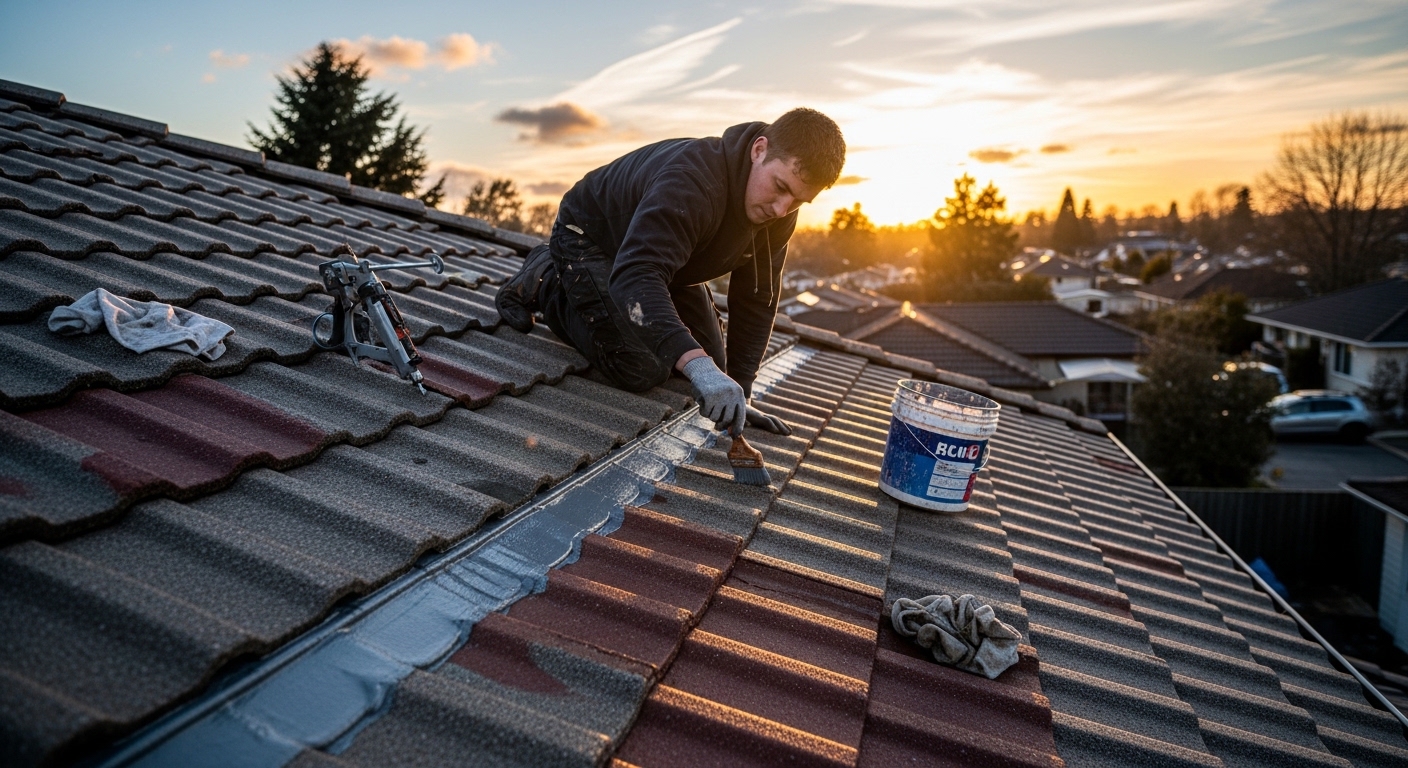
Keeping the Rain Out Best Practices for Weatherproofing Your Roof
You know that feeling when you are lying in bed at night and a massive thunderstorm rolls in. You hear the wind howling and the rain drumming against the shingles. For most of us, it is a cozy sound. But for some, it is the start of a minor panic attack. You find yourself staring at the ceiling, waiting for that one telltale drip or a dark spot to start forming on the drywall. Honestly, it is a stressful way to live.
Your roof is the first line of defense for everything you own. It protects your family, your furniture, and your sanity. But most of us don’t think about it until something goes wrong. If you are worried about how your home will handle the next big Ohio storm, you are in the right place. We are going to walk through the best practices for weatherproofing your roof so you can actually sleep through the night when the weather turns ugly.
If you ever feel like you are in over your head, remember that the team at K and K Construction is always ready to help with roofing services in Massillon OH.
The Hidden Cost of Ignoring Your Roof
Here is the thing about roof damage. It is sneaky. Water is incredibly patient. It finds the tiniest crack in a shingle or a gap in the flashing and slowly works its way in. By the time you see a leak in your living room, the water has likely already been traveling through your attic, soaking your insulation, and potentially rotting your rafters for weeks or even months.
When we talk about weatherproofing, we aren’t just talking about preventing flooding. We are talking about preventing mold growth, protecting your home’s structural integrity, and keeping your energy bills from skyrocketing. A drafty or leaky roof forces your HVAC system to work twice as hard. It is a domino effect that can end up costing you thousands if you don’t stay ahead.
Why Roofs Fail The Root Causes
Most homeowners think a roof fails because it is just old. And sure, shingles have a lifespan. But often, the issues start because of small things we overlook.
One of the biggest culprits is poor ventilation. If your attic can’t breathe, heat and moisture build up under the roof deck. In the summer, this literally bakes your shingles from the inside out. In the winter, it leads to the dreaded ice dam. You know, those massive icicles that look pretty but are actually backing up water under your shingles and into your walls.
Another common issue is improper flashing. Flashing is that metal material around chimneys, vents, and valleys. It is supposed to redirect water, but if it is loose or rusted, it becomes a funnel for leaks.
The Best Solutions for a Weatherproof Home
So how do we fix it. It starts with a layered approach. Think of weatherproofing your roof like dressing for a winter day in Ohio. You need a base layer, an insulating layer, and a waterproof shell.
1. High-Quality Underlayment Before the shingles even go on, you need a solid water and ice shield. This is a self-adhering membrane that goes on the eaves and in the valleys. It acts as a backup plan. If wind-driven rain gets under your shingles, this layer stops it cold.
2. Seamless Gutters and Downspouts Your roof can’t stay weatherproof if the water has nowhere to go. If your gutters are clogged or sagging, water pools at the edge of the roof. This leads to rot along the fascia boards and can even damage your foundation. Keeping these clear is the easiest roof maintenance tip for longevity you will ever get.
3. Professional Flashing Repair: Don’t just slop some roofing tar on a leak and call it a day. That is a Band-Aid. Real weatherproofing involves removing old, damaged flashing and installing new metal with proper counter-flashing. It is a bit more work, but it lasts for decades.
7 Actionable Tips You Can Use Today
Look, you don’t have to be a professional contractor to take care of your home. Here are some practical steps you can take to make sure your roof is ready for whatever nature throws at it.
- Scan for missing shingles after every major windstorm. If you see bits of granules in your gutters, your shingles are reaching the end of their life.
- Trim those overhanging branches. Trees are lovely, but they drop debris that holds moisture against your roof and can scrape off the protective shingle coating.
- Check your attic for daylight. Go up there during the day with the lights off. If you see pinpricks of light, water can get in there too.
- Look at your chimney seal. If the mortar is crumbling, water is soaking into the brick and eventually into your house.
- Keep an eye on the vents. Plastic vent covers can crack over time due to UV exposure. Replacing them is cheap and prevents a major headache.
- Check for ice dam prevention. Make sure your attic is properly insulated and ventilated before the first snow hits to avoid ice dam prevention issues.
- Schedule a professional inspection. Sometimes you just need an expert eye to spot things that aren’t obvious from the ground.
Final Thoughts on Protecting Your Home
At the end of the day, weatherproofing your roof is about peace of mind. It is about knowing that when the sky turns gray, your home is a safe, dry sanctuary. It takes a little bit of effort and a little bit of vigilance, but the payoff is avoiding those middle-of-the-night emergencies.
If you are worried about your roof or just want an honest assessment of what needs to be done, we are here for you. At K and K Construction, we take pride in helping our neighbors in Massillon and beyond keep their homes in top shape.
FAQ Common Roofing Questions
How often should I check my roof for leaks Honestly, you should do a quick visual check twice a year. Once in the spring to see how the winter treated it and once in the fall to prep for the snow.
Can I weatherproof an old roof or do I need a replacement You can definitely extend the life of an older roof with repairs and better ventilation. But if the shingles are curling and brittle, no amount of sealant will save you from an eventual replacement.
Why are my gutters pulling away from the house This usually happens because they were overloaded with heavy wet leaves or ice. It can also mean the wood they are attached to is starting to rot.