
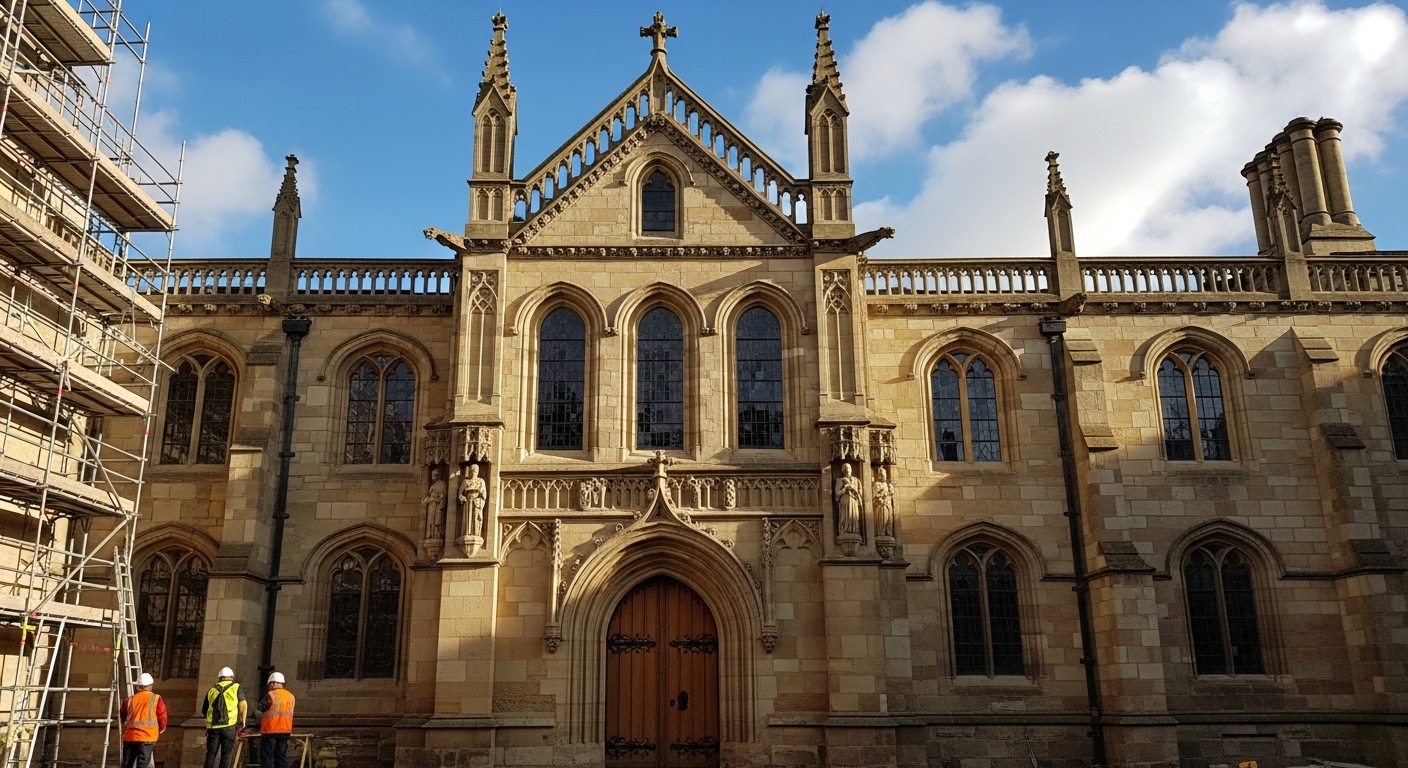
There is something about an old house that just pulls at your heart. Maybe it is the way the floorboards creak or that specific smell of old wood and history. But honestly, owning a piece of history is a lot like dating a very charming person who has a lot of baggage. It is beautiful, yes, but it is also a massive responsibility.
When you decide to take on a historic renovation, you are not just fixing up a house. You are acting as a steward for a story that started long before you were born. And look, it is easy to get overwhelmed. I have seen homeowners dive in with all the passion in the world only to realize they are in over their heads because they treated an 1890s Victorian like a 2010 suburban ranch.
If you are currently standing in a drafty hallway wondering where to start, take a breath. We are in this together. Before you swing a single hammer, let’s talk about how to do this the right way. And hey, if you ever feel like you need a hand with the heavy lifting, the team at K and K Construction is always around to help out with residential rehabilitation massillon oh.
1. The Research Phase Is Not Optional
Before you touch anything, you need to know what you have. Historic homes are full of surprises and not always the good kind. You want to understand the architectural style and the materials that were used originally.
Think about it this way. If you try to patch a lime mortar wall with modern Portland cement, you are going to cause a disaster because the materials breathe differently. You need to spend time in the archives or talking to local preservationists. It sounds like homework, but it saves you thousands of dollars in “oops” moments later on.
Example: I once knew a guy who replaced original wavy glass windows with modern vinyl because they were drafty. He lost about 10% of his home value instantly because the soul of the house was gone. Instead, he could have just restored the original frames and added discrete weatherstripping.
Pro Tip: Look for old photos of your street at the local library. You might find exactly what your porch or shutters used to look like.
2. Prioritize The Envelope First
It is tempting to start with the pretty stuff like paint colors and kitchen tiles. But if your roof is leaking or your foundation is shifting, that new kitchen is just a waste of money. In the world of best practices for historic building renovation, we always say start from the outside in.
You need to make sure the building is watertight and stable. Check the masonry, the roof, and the windows. If the house cannot protect itself from the Ohio rain and snow, nothing you do inside will last. It is the boring work, but it is the most important work.
Example: Imagine spending $20,000 on custom cabinetry only to have a hidden gutter leak ruin the drywall and the wood within six months. It happens more often than you would think.
Pro Tip: Clean your gutters twice a year. It is the cheapest way to prevent a $50,000 foundation repair.
3. Respect The Original Layout
Modern living loves “open concept” plans. We want to see the TV from the kitchen island. But historic homes were designed with specific rooms for specific reasons. Tearing down a wall in a historic building can mess with the structural integrity and the airflow that the original builders worked so hard to create.
Try to work within the existing footprint. If you need more space, think about how an addition can complement the house rather than trying to turn an old floor plan into something it was never meant to be. Keeping the original flow is one of the best ways to maintain that “old house” magic.
Example: Instead of knocking down the wall between the dining room and kitchen, consider a large cased opening. It gives you that sense of space without losing the soul of the separate rooms.
Pro Tip: Use pocket doors if you want flexibility. They were the original solution for “open-ish” living.
4. Upgrade Systems Discreetly
You want the charm of 1900 but the electrical safety of 2026. This is where things get tricky. Pulling new wires or HVAC ducts through plaster and lath walls is an art form. You don’t want to see ugly plastic conduits running across a hand-carved ceiling.
This is why hiring professionals who understand building construction massillon oh is so vital. You need people who know how to fish wires through tight spots and where to hide modern comforts so they don’t scream “I was installed in 2024.”
Example: Using high-velocity HVAC systems with small, round vents can keep you cool without requiring huge soffits that lower your beautiful high ceilings.
Pro Tip: Whenever possible, run your new mechanicals through closets or unused chimney flues to keep the main rooms pristine.
5. Save Whatever You Can
The quality of wood used 100 years ago is vastly superior to what you find at a big-box store today. That old-growth heart pine or oak is dense and rot-resistant. Even if a door looks beat up or a floor is scratched, try to restore it before you replace it.
There is a texture to old materials that you just cannot replicate with new stuff. Sand it, stain it, or strip ten layers of lead paint off it (safely!). It is a lot of labor, but that is where the character lives. Once it is gone, it is gone forever.
Example: I have seen people rip out cast iron tubs because they were “ugly.” A few hundred dollars for professional reglazing would have given them a centerpiece that lasts another century.
Pro Tip: Use a heat gun or infrared stripper for old paint. It is much cleaner than messy chemicals.
Renovation Priority Guide
| Project Area | Preservation Level | Difficulty |
| Roof & Gutters | Essential | High |
| Original Windows | High Priority | Medium |
| Electrical/Plumbing | Essential | High |
| Interior Trim/Woodwork | High Priority | Low/Medium |
| Modern Additions | Low Priority | High |
Key Takeaways For Your Project
- Do your homework before you start tearing things out.
- Focus on the bones of the house—roof, foundation, and walls.
- Work with the house instead of fighting its original design.
- Hire experts who actually like old buildings and respect them.
- Be patient because historic work always takes longer than you think.
Moving Forward With Your Piece Of History
Renovating a historic building is a marathon, not a sprint. There will be days when you regret ever buying the place and days when the light hits the original stained glass just right and you realize it was all worth it.
The goal isn’t to make the house look brand new. The goal is to make it look loved. If you are looking for a team that treats your home with that kind of respect, reach out to us at K and K Construction. Whether you need help with bathroom remodeling in stark canton oh or a full-scale structural overhaul, we are right here in Massillon ready to help.