
That Midnight Dash to the Basement
We’ve all been there. It’s 2:00 AM in the middle of an April thunderstorm. The kind of Ohio rain that sounds like someone is dumping buckets of gravel on your roof. You’re lying in bed, staring at the ceiling, and suddenly—you hear it. Or rather, you don’t hear it.
You’re listening for the hum of the sump pump.
If it’s quiet, your heart drops. You throw on a robe, grab a flashlight, and sprint down the stairs, praying you won’t hear that dreaded squish when your foot hits the bottom step. I once helped a neighbor in Akron who lost three generations of photo albums because their pump took a nap during a flash flood. It wasn’t just the money; it was the history. It’s heartbreaking, honestly.
But look, it doesn’t have to be a gamble every time the sky turns gray. If you’re tired of the “basement anxiety,” let’s talk about how to actually prevent basement flooding Ohio style—because our clay soil and crazy seasons require a specific kind of game plan.
Before we dive into the nitty-gritty, if you’re already seeing damp spots or smelling that “old basement” musk, you might want to check out our guide on basement waterproofing in Canton to see what a professional seal looks like.
Why Ohio Basements Love to Leak
Here’s the thing about our neck of the woods: we have a lot of clay. Clay is great for pottery, but it’s terrible for drainage. When it rains, that clay holds onto the water like a sponge. This creates “hydrostatic pressure.”
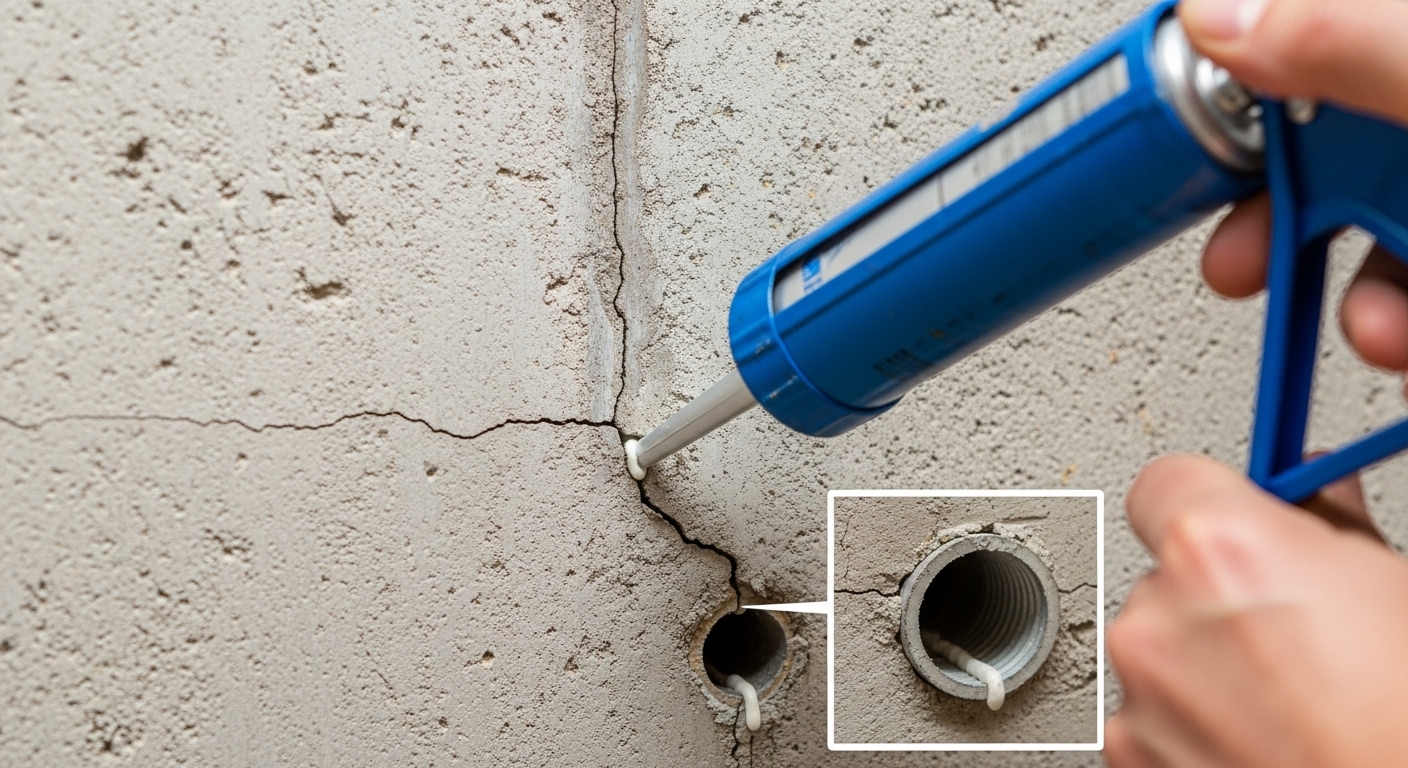
Think of it like this: your basement is basically a concrete boat sitting in a giant puddle. The water outside is constantly pushing against the walls, looking for any tiny hairline crack to squeeze through. And in Ohio, with our freeze-thaw cycles? Those cracks are inevitable.
But flooding isn’t always about cracks. Sometimes it’s about a simple mechanical failure or a gutter that hasn’t seen a ladder in three years. Most flooding is actually preventable with a bit of “weekend warrior” effort and some professional backup when things get technical.
The Core Essentials: Keeping the Water Out
1. The Sump Pump is Your Best Friend (Until It Isn’t)
If your basement has a sump pit, that pump is the heart of your flood prevention. But even the best pumps only last about 7 to 10 years.
Common Mistake: Relying on a single, aging pump. The Fix: Get a battery backup. If a storm knocks out your power, your primary pump is useless. A battery backup ensures that even when the lights go out, the water keeps moving out. It’s the best “peace of mind” money you’ll ever spend.
2. Gutters: The Unsung Heroes
I know, cleaning gutters is the chore everyone hates. But listen—if your gutters are clogged, that water pours over the side and lands right next to your foundation. You’re basically inviting the flood to your doorstep.
Make sure your downspouts are discharging at least 5 to 10 feet away from the house. If they’re just dumping water at the corner of your foundation, you’re just recycling that water back into your sump pit (if you’re lucky) or into your drywall (if you’re not).
3. Grading: The “Hill” Principle
Walk outside and look at the dirt around your house. Does it slope away? Or does it dip down toward the foundation?
Over time, soil settles. You want a gentle slope that carries rain away from the house. Sometimes, a few bags of topsoil from the local hardware store can do more to prevent basement flooding Ohio homes face than a thousand-dollar piece of equipment.
Expert Insights: What the Pros Know
I’ve spent enough time in crawlspaces and basements to know that homeowners often miss the “silent killers.” Here are a few things I’ve picked up along the way:
- Check the Check Valve: That little plastic valve on your sump pump discharge line? If it fails, the water that just got pumped out will fall right back into the pit as soon as the pump stops. You’ll hear the pump cycling every 30 seconds. It’s a $20 part that can save a $500 motor.
- The “Sniff” Test: If your basement smells earthy or musty, you have a moisture problem. It might not be a “flood” yet, but it’s a sign that the soil around your house is saturated.
- Landscape with Care: Be careful with flower beds right against the house. If you use plastic edging, you might inadvertently be creating a “bathtub” that holds water against your foundation walls.
If you’re planning on finishing your space, please don’t skip the prep work. Check out the basement finishing costs in Stark County and make sure “waterproofing” is the first line item on your budget. It’s cheaper to do it once than to replace wet carpet twice.
Practical Application: Your “Dry Basement” Checklist
You don’t need to do everything today, but start here:
- Test your pump: Pour a 5-gallon bucket of water into the pit. Does it kick on? Does the water actually disappear?
- Walk the perimeter: During the next heavy rain, put on a raincoat and go outside. Watch where the water goes. If you see “waterfalls” coming off your roof, your gutters are the problem.
- Check your discharge pipe: Make sure the end of the pipe isn’t buried under leaves or snow. If the water has nowhere to go, it’ll back up into the pump.
- Consider a Floor Drain Plug: If you live in an area where the city sewers back up (looking at you, older parts of Cleveland), a “backwater valve” can prevent sewage from coming up through your floor drain. Yeah, that’s as gross as it sounds.
FAQ: Quick Answers for Ohio Homeowners
Q: My basement has never flooded. Do I still need to worry? A: Honestly? Yes. In Ohio, it’s rarely a matter of “if,” but “when.” All it takes is one record-breaking storm or a single 15-year-old pipe giving up. Prevention is always cheaper than restoration.
Q: How much does it cost to fix a leaky foundation? A: It varies wildly. A simple crack injection might be a few hundred bucks, while a full exterior drainage system can be several thousand. You can get a better idea of local pricing on our remodeling services page.
Q: Can I just paint my walls with “waterproof” paint? A: That’s like putting a Band-Aid on a fire hose. It might stop a little dampness, but it won’t stop hydrostatic pressure. The water will just bubble the paint off eventually. You have to stop the water before it gets into the wall.
Wrapping Up: Take the Power Back
There’s something incredibly satisfying about hearing a storm outside and just… going back to sleep. No flashlights, no checking the stairs, no panic.
Preventing basement flooding in Ohio isn’t about luck; it’s about managing where the water goes. If you move it away from your walls and give it a clear path out, your basement stays dry, your stuff stays safe, and you finally get to sleep through the night.
If you’re feeling overwhelmed or you’ve got a “river” running through your laundry room every time it thaws, don’t wait. Contact us at K&K Construction. We’ve seen it all, and we’d love to help you make your basement a place you actually want to spend time in—not a place you’re afraid to visit.
Let’s keep those photo albums dry, okay?