
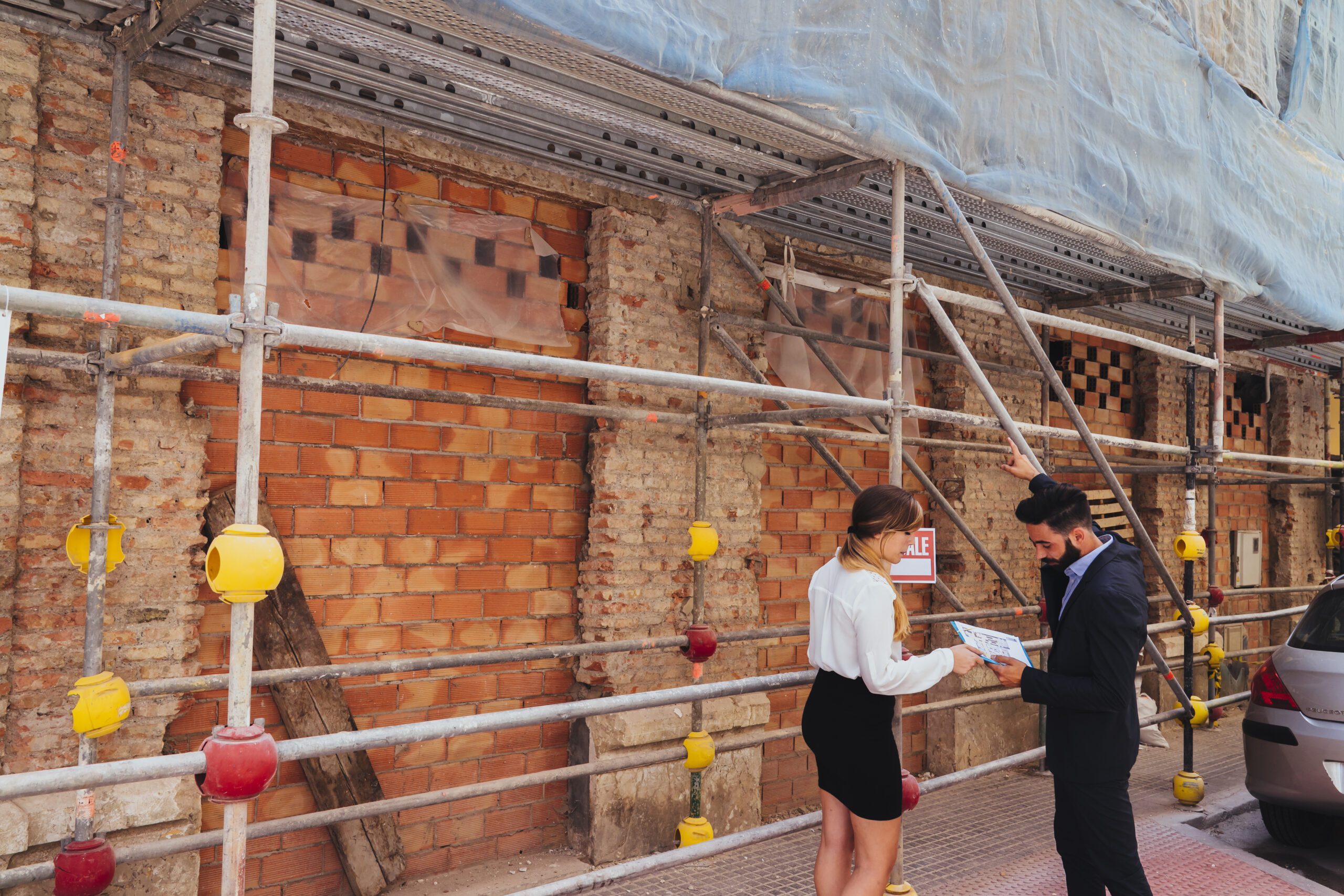
I was walking past the Public Square in Canton the other day, and I just had to stop and stare at some of the brickwork on those older buildings. There’s something about the way those structures were built—the weight of the stone, the detail in the cornices—that you just don’t see in modern “box” construction.
But here’s the reality we all know: those beautiful old buildings can be a total nightmare if they’ve been sitting empty or haven’t been touched since the 70s. Whether you’ve just bought a piece of Canton’s history or you’re looking to breathe new life into a family-owned storefront, the line between “charming vintage” and “expensive money pit” is incredibly thin.
Restoring a commercial space isn’t just about slapping on a coat of paint. It’s a delicate dance between honoring what was there in 1920 and making sure the Wi-Fi actually works and the HVAC doesn’t sound like a jet engine. If you’re feeling a bit overwhelmed by the scale of it all, don’t worry. I’ve seen these projects from the inside out, and honestly? It’s completely doable if you take it one step at a time.
If you’re just starting to wrap your head around a project like this, you might want to check out our commercial building restoration in Canton page to see the kind of heavy lifting involved.
1. Assessing the “Bones” (Structural Integrity)
Before you even think about the “fun” stuff like interior design or signage, we have to talk about the bones. In older Canton buildings, especially around the downtown area, you’re often dealing with settled foundations or masonry that has seen better days.
Water is usually the biggest villain here. If a roof has been leaking for five years, that moisture has traveled down through the walls, potentially rotting out floor joists or causing bricks to “spall” (that’s when the face of the brick literally pops off). You need a pro to walk through and tell you if the building is actually standing on solid ground before you invest a dime in the aesthetics.
Real-World Scenario: Imagine buying a beautiful two-story brick building on Tuscarawas St. It looks great, but once you pull back the drywall, you realize a previous “handyman” cut through a load-bearing beam to install a bathroom vent in 1985. That’s a structural emergency waiting to happen.
Quick Insight: Always look at the basement first. If the foundation walls are bowing or there’s standing water, that’s your first priority—no exceptions.
Commercial building restoration often goes hand in hand with retail upgrades, and K&K Construction handles both with the same attention to detail. If your storefront or shopping space needs a refresh alongside structural work, our retail renovation specialists in Stark County are ready to help bring your vision to life.
2. Modernizing the Guts (Electrical & Plumbing)
This is where most restoration budgets go to die, but it’s the most important part of “enhancing functionality.” An old building might have knob-and-tube wiring or ancient galvanized pipes that are closing up like clogged arteries.
For a modern commercial space, you need power—and lots of it. From server rooms to high-end espresso machines, the electrical load is massive compared to what these buildings were designed for. Replacing these systems is invasive, but it’s the only way to ensure the building is safe and up to code. If you’re curious about the costs of these “hidden” upgrades, our guide on replacing old plumbing in Ohio homes gives a good baseline of what to expect when tearing out the old stuff.
Real-World Scenario: I once saw a retail space where they tried to run a modern hair salon on an old 60-amp panel. Every time they turned on three blow-dryers at once, the whole block went dark. Don’t be that guy.
Quick Insight: While the walls are open for plumbing, run more Cat6 data cable than you think you’ll ever need. Future-proofing is cheaper than re-opening walls later.
3. Preserving the “Face” (Historic Masonry)
In Canton, we have some of the most beautiful historic masonry in the state. But here’s a secret: you can’t just use modern mortar to fix 100-year-old bricks. Modern mortar is too hard; it doesn’t “breathe.” If you use it on old, soft bricks, the bricks will actually crack and crumble because they have nowhere to expand.
Preserving the history means using the right materials—specifically lime-based mortars that match the original composition. It’s a slower process, but it’s what keeps the building standing for another century. If you’re looking at a facade that’s crumbling, you might want to look into historic masonry restoration in Canton to understand the specialized care those old bricks need.
Real-World Scenario: A business owner tries to DIY some tuck-pointing with a bag of Quickrete from the big-box store. Two winters later, the faces of his historic bricks start falling onto the sidewalk because the mortar was too rigid for the freeze-thaw cycle.
4. Navigating the “Red Tape” (Codes and ADA)
Look, nobody likes talking about building codes, but in commercial restoration, they are your constant companion. The biggest hurdle is usually ADA (Americans with Disabilities Act) compliance. If you’re changing the “use” of a building or doing a major renovation, you usually have to bring things like entrances, bathrooms, and hallways up to modern accessibility standards.
It’s not just about “following rules”—it’s about making sure everyone in our community can access your business. It might mean installing a ramp or widening a bathroom door, but it’s a non-negotiable part of the process.
Real-World Scenario: You find the perfect spot for a cozy bistro, but the only bathroom is up a flight of narrow stairs. To make it work, you’ll likely need to sacrifice some floor space on the main level to build a fully accessible restroom.
Quick Insight: Talk to the Canton building department early. Like, really early. It’s much better to know the requirements before you fall in love with a floor plan that won’t pass inspection.
5. Energy Efficiency (The “Green” Restoration)
Older buildings are notorious for being “drafty.” While those giant original windows are gorgeous, they’re basically thermal holes in the wall. Restoration doesn’t mean you have to replace them with cheap vinyl, though!
You can restore the original wood sashes, add weatherstripping, and install high-quality interior storm windows. Combine that with modern spray foam insulation in the roof deck, and you’ll be shocked at how much lower your heating bills are during a Northeast Ohio winter.
Real-World Scenario: A tech startup moves into a restored loft. By spending a bit more on high-performance insulation during the “shell” phase, they ended up saving nearly 30% on their cooling costs during that first humid July.
Restoration vs. Renovation: At a Glance
| Feature | Historic Restoration | Standard Renovation |
| Goal | Return to original “period” look | Update for modern aesthetics |
| Materials | Period-correct (lime mortar, wood) | Modern (composite, vinyl, steel) |
| Cost | Generally higher (specialized labor) | Market standard |
| Longevity | 50-100+ years | 15-25 years |
| Permitting | May require Historic Board approval | Standard building permits |
Key Takeaways for Your Project
- Don’t skip the inspection: Know what’s happening in the foundation and the roof before you buy.
- Budget for the “Invisibles”: Electrical, plumbing, and HVAC will likely take up 40-60% of your budget.
- Respect the materials: Use pros who know how to handle historic brick and timber.
- Plan for accessibility: ADA compliance isn’t an afterthought; it’s a requirement.
- Check for local grants: Sometimes there are tax credits or local Canton incentives for preserving historic facades.
Wrapping it all up…
I know it sounds like a lot. Honestly, it is a lot. But there is something incredibly rewarding about stripping away decades of “bad” renovations—the shag carpet, the dropped acoustic ceilings, the wood paneling—and finding the original character underneath. When you restore a building in Canton, you aren’t just fixing a property; you’re contributing to the soul of the city.
If you’re standing in the middle of a dusty old building right now, wondering where the heck to start, reach out to us at K&K Construction. We’ve spent years getting our hands dirty in Stark County, and we’d love to help you figure out the best way to bring your vision to life. Whether you just need a sounding board or a full team to handle the building construction in Stark County, we’re here to help.
Would you like me to put together a specific 90-day checklist for your restoration project?